 Reviews


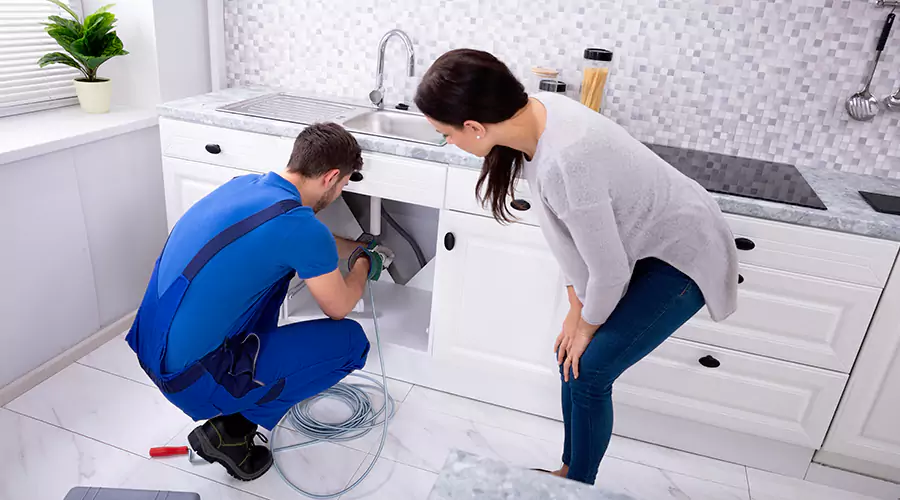
Drain blockages in kitchens and bathrooms are frequently experienced by homeowners, and their causes are often overlooked until serious issues appear. These blockages can result in slow drainage, unpleasant odors, and costly plumbing repairs if left untreated. Various factors contribute to the formation of a blockage of drain, and understanding them is essential for prevention and timely resolution.
Kitchen Drain Blockages
In kitchens, drain blockages are often caused by grease and fat buildup. When cooking oils, fats, and food residues are poured down the sink, they gradually solidify inside the pipes. Over time, this accumulation restricts water flow and forms stubborn blockages that require professional Drain Cleaning to restore proper function.
Other causes in kitchen drains include:
- Food particles like rice, pasta, coffee grounds, and vegetable peels that accumulate in the pipes
- Non-food items accidentally washed down, such as small utensils, packaging materials, or bottle caps
- Repeated flushing of large amounts of food waste that overwhelms the pipe
When a blockage of drain occurs in a kitchen, slow drainage, gurgling sounds, and unpleasant odors are usually noticed. Professional drain blockage plumber services are often required when the drain is severely blocked. Tools such as drain snakes, hydro-jetting machines, and chemical-safe drain removers are used to clear drain pipe blockage efficiently.
Bathroom Drain Blockages
Bathroom drains are particularly susceptible to blockages due to hair, soap scum, and hygiene products. Hair strands frequently wash into sinks, showers, or bathtub drains, where they combine with soap residue to form dense clogs.
Additional factors include:
- Hygiene products such as cotton swabs, sanitary towels, and wet wipes flushed accidentally
- Mineral buildup from hard water gradually narrowing pipe openings
- Small objects like jewelry, toothpaste caps, or hairpins that enter the drain
Blockages in bathroom drains are typically noticed when water drains slowly, backs up, or foul smells emerge from the drain outlet. Professional intervention is often required when home remedies are insufficient.
Old or Damaged Pipes
A common but often overlooked cause of drain blockage is the age and condition of the pipes. Old pipes, particularly those made of galvanized steel or cast iron, are prone to corrosion and scaling. This corrosion reduces the diameter of the pipes, restricting water flow and allowing debris to accumulate more easily.
- Cracks, misalignments, or collapsed sections in pipes trap debris and make blockages worse
- Recurring blockages are often linked to pipe deterioration and require professional inspection
- Replacement or repair is generally required when structural damage is identified
Improper Waste Disposal Practices
Drain blockages are frequently caused by improper disposal practices, which are more common than expected. Items that should never be disposed of in sinks or toilets, including grease, oils, paper towels, and food scraps, are often washed down the drain.
Other contributing factors include:
- Large amounts of biodegradable waste flushed at once
- Household items like coffee filters, egg shells, or small plastic objects
- Frequent use of chemical cleaners that can worsen pipe conditions over time
Professional drain blockage remover services are usually required to clear severe blockages caused by improper waste disposal. Preventive measures such as using sink strainers and avoiding flushing unsuitable items can reduce drain issues significantly.
Mineral Deposits and Hard Water
In areas with hard water, mineral deposits can gradually accumulate inside the pipes, narrowing the flow path and increasing the likelihood of blockages. Calcium and magnesium salts are slowly deposited as water flows through the plumbing system, forming dense scale over time.
- Scale is especially noticeable in bathroom sinks, showers, and tubs with frequent water exposure
- Hard water deposits can combine with soap residue, making clogs more persistent
- Chemical drain removers or professional mechanical cleaning are often required to remove these blockages
Preventive measures, including regular pipe cleaning and installing a water softening system, can reduce mineral buildup and prolong pipe life.
Tree Roots and External Blockages
External factors, such as tree roots, can penetrate underground pipes in search of water, causing cracks, breaks, or complete blockages.
Signs of external blockages include:
- Slow drainage that persists despite home remedies
- Repeated clogs that cannot be cleared by chemical cleaners
- Gurgling noises from toilets, sinks, or showers
Specialised equipment, including pipe cameras and hydro-jetting tools, is often needed to identify and remove root-related blockages safely.
When to Seek Professional Help?
Timely intervention is critical when drain blockages persist. Professional drain blockage plumber services are usually engaged when plunging or home remedies fail.
- Advanced tools are used to locate and clear blockages efficiently
- Persistent issues are often linked to underlying plumbing problems
- Preventive advice is provided to reduce future blockages
- Complex issues such as root intrusion or pipe corrosion are managed effectively
Preventive Tips for Homeowners
Preventing drain blockages is more effective than repeatedly clearing them. Homeowners can follow simple preventive practices:
- Strainers should be used in sinks and showers to catch hair and food particles
- Grease, oils, and large food scraps should be avoided in drains
- Hygiene products and non-biodegradable items should never be flushed
- Routine inspections by a professional drain blockage plumber are recommended
Implementing these measures helps maintain efficient water flow and reduces the likelihood of unpleasant odors or costly repairs.
Final Thoughts
Drain blockages in kitchens and bathrooms are typically caused by hair, grease, food waste, hygiene products, mineral buildup, damaged pipes, and improper waste disposal. Early identification and timely professional intervention are essential to prevent serious plumbing issues. Routine maintenance, careful waste disposal, and inspections by a drain blockage plumber can help maintain a blockage-free drainage system, ensuring smooth water flow and a hygienic home environment.
Frequently Asked Questions
What causes kitchen drains to clog frequently?
Kitchen drains are usually clogged by grease, leftover food, and coffee grounds that accumulate inside the pipes over time.
How can bathroom hair clogs be prevented?
Hair clogs in bathroom drains can be prevented by using drain strainers and regularly cleaning out trapped hair from sinks, showers, and tubs.
Can a drain blockage be fixed without a plumber?
Minor blockages can sometimes be cleared using plungers or safe chemical removers, but severe or recurring clogs often require a professional drain blockage plumber.
Do hard water deposits affect drainage?
Yes, mineral buildup from hard water can narrow pipes and contribute to slow drainage or complete blockages in sinks and showers.
What are the signs of a serious drain blockage?
Slow drainage, water backup, gurgling sounds, and foul odors are common signs that a drain blockage requires professional attention.